When we built the Customer Portal, I knew customers would appreciate having their documents in one place.
The reaction I keep hearing, in almost identical words across different companies: “I didn’t know you did all that.”
This phrase has stuck with me, because it says everything about the gap that has existed in this industry for years.
The Gap Nobody Was Talking About
For as long as field service companies have existed, the relationship with their customers has been transactional. You show up. You do the work. You send an invoice. Maybe an inspection report lands in their inbox a few days later. The customer files it away, or doesn’t, and the cycle repeats.
This is more of a transaction than a relationship, and most field service companies don’t realize there’s a gap until a competitor points it out in a sales meeting.
I’ve talked to enough service managers to know the frustration. They’re doing excellent work, their crews are thorough, and their documentation is solid, but their customers have no way to see any of it. So when renewal time comes, the conversation is about price instead of value. And that’s a conversation you can lose even when you deserve to win it.
The Customer Portal was built to close that gap.
What Customers Actually See
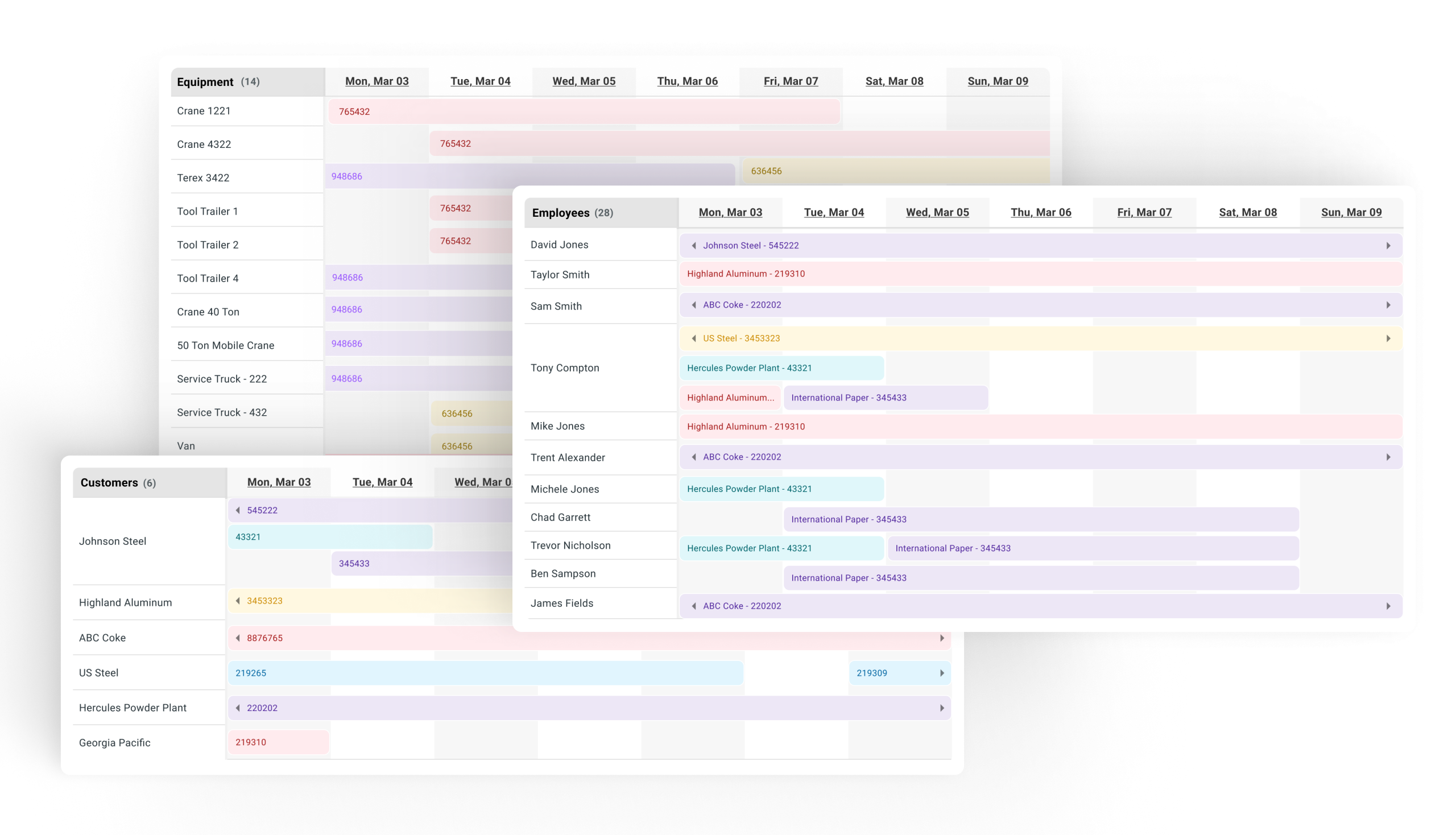
When a plant manager logs into the portal for the first time and sees a full history of every inspection, every repair, every service call organized by asset, they finally realize the scope of what their service provider has been doing for them, often for years.
Most customers only see what’s in front of them: the crew that showed up today. They don’t see the maintenance history. They don’t see the documentation trail. They don’t see the proactive work that prevented the breakdown that would have shut down their line for two days.
The portal makes all of that visible, and visibility builds trust in a way that an emailed PDF never will.
A customer who can see everything you’ve done for them is a customer who understands your value. It’s a customer who doesn’t go looking for a cheaper quote when their contract comes up for renewal, and it’s a customer who refers you to the plant manager at their sister facility.
The Phone Calls That Stopped
One of the more concrete outcomes I’ve seen is what happens to office teams once the portal is set up.
Before, a customer needed an inspection certificate for an audit? Phone call. Needed to verify when a crane was last serviced? Phone call. Couldn’t find the email with the report attached? Phone call.
Now they log in. They find it. They download it. Done.
Our team heard from one office manager who used to spend 30 to 45 minutes most days responding to document requests alone. After setting up the portal for her top accounts, those calls dropped to near zero within the first month. She started using that time to follow up on outstanding quotes, and two of those quotes closed.
The Sales Tool Nobody Planned For
Field service companies started using the portal in sales conversations before we ever suggested it. They figured it out on their own.
They’re walking into prospect meetings and opening a laptop. Showing what it looks like to be their customer. Pointing to the portal, the asset list, the inspection history, the documents available the moment work is complete.
No competitor in the industrial field service space can show that, and prospects notice.
One crane service company told our team they’ve started including a portal demo in every new business presentation. Their close rate on those proposals has gone up. The portal doesn’t just change how you serve existing customers, it changes how you win new ones.
What Changes on the Customer’s Side
When a customer logs into a portal with your logo on it, sees their assets organized and tagged, and can pull a compliance document in 30 seconds instead of making a phone call, their perception of your company changes. You’re not just a vendor anymore, you’re a company that has their act together, and you’re a company worth staying with.
That perception matters when budget season comes around, when a competitor calls with a lower price, and when something goes wrong on a job, because the baseline of trust you’ve built makes that conversation easier.
The companies investing in the customer experience are the ones building relationships that survive price competition. The ones still emailing PDFs are the ones losing accounts to whoever shows up with a slightly lower rate.
What I’d Tell You
The work was always there. The crewOS Customer Portal just makes it visible.
If you’re already using crewOS, setup takes one call. If you’re not yet a crewOS customer, reach out. I’d rather show you what the portal looks like in a 20-minute demo than describe it in a blog post. See how it works here.
The companies that moved first are already seeing it. That gap in the customer relationship? It closes the moment they log in.